
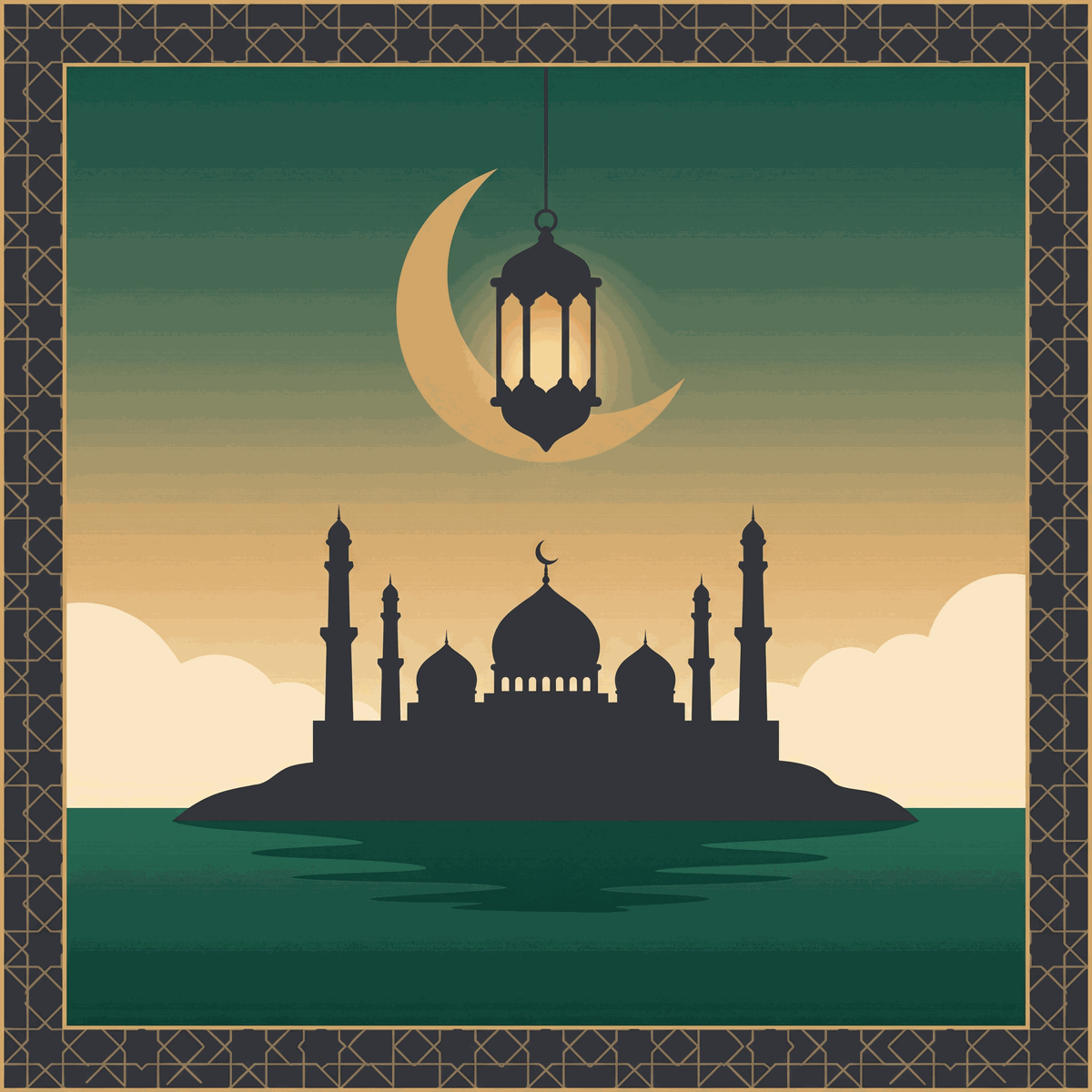
When the crescent moon is sighted over the Indian Ocean, a profound spiritual quietude settles across the island of Mauritius. Whether you are a local resident preparing your home for the sacred month or a visitor seeking to understand how Islam is lived in this vibrant tropical setting, navigating Ramadan locally involves a rich tapestry of practical fiqh, unique culinary customs, and warm communal devotion.
This comprehensive guide walks you through every dimension of Ramadan in Mauritius, from the traditional moon-sighting process at the historic Jummah Masjid to the daily routine of fasting, night prayers, and community life across the island's towns and villages.
The Local Sighting of the Crescent (Hilal Practice in Mauritius)
The arrival of Ramadan in Mauritius is inextricably linked to the visual observation of the new crescent moon (hilal). On the 29th night of Sha'ban, Muslims across the island look toward the western horizon at sunset, awaiting news from the local Hilal Committee. Centered historically around the Jummah Masjid in Port Louis, this committee coordinates reports from trusted observers stationed at coastal vantage points around the island.
This physical observation follows the direct teaching of the Prophet Muhammad (peace be upon him), who instructed the believers to fast upon sighting the crescent and to end the fast upon sighting it again (Sahih al-Bukhari, Hadith 1901). When a verified sighting is confirmed, the announcement is broadcast via local radio stations, national television bulletins, official social media channels, and the ringing loudspeakers of neighbourhood mosques.
In classical Islamic jurisprudence (fiqh), scholars discuss whether moon sightings should be local (ikhtilaf al-matali') or global. The dominant practice among the Sunni Hanafi majority in Mauritius has long prioritized local visual sighting within the island or regional geographical zone. When clouds obscure the sky on the 29th evening, local scholars follow the Sunnah by completing thirty days of Sha'ban before commencing Ramadan the following evening.
This night of announcement creates an electric atmosphere across Mauritian towns. Families gather around radios and phones, and as soon as the moon is confirmed, men and boys dress in clean kurta garments and head to the local mosque for the first Taraweeh prayer of the year. The sense of unified expectation links small coastal villages with major urban centers like Curepipe, Vacoas, Rose Hill, and Quatre Bornes.
Daily Rhythm: From Sehri to Iftar in Mauritian Homes and Mosques
During Ramadan, the daily rhythm of life in Mauritius transforms completely. The day begins in the stillness before dawn with Sehri (the pre-dawn meal, also known as Suhoor). Families wake up to the quiet clatter of kitchens as warm meals are prepared, fulfilling the Sunnah highlighted by the Prophet (peace be upon him): "Take the pre-dawn meal, for indeed in it there is blessing" (Sahih Muslim, Hadith 1079).
A typical Mauritian Sehri combines nourishing modern foods with traditional staples. Families often consume tea, parathas, eggs, oats, or light rice dishes alongside plentiful water to prepare for the long hours of fasting ahead. As the Fajr adhan echoes through the morning air, the formal intention (niyyah) to fast for the sake of Allah is renewed in the heart.
Throughout the daylight hours, Mauritian Muslims fulfill their work, business, and daily duties while maintaining their fast (Roza). The Qur'an outlines the underlying spiritual purpose of this physical discipline: "O you who have believed, decreed upon you is fasting as it was decreed upon those before you that you may become righteous" (Qur'an, Al-Baqarah 2:183). Maintaining gentle speech, avoiding conflict, and increasing quiet remembrance (dhikr) are seen as essential to preserving the spiritual reward of the fast.
Please note that while these dietary and physical routines reflect Prophetic guidance and time-honored traditional practices, this guide does not constitute medical advice, and readers with chronic health conditions or specific dietary requirements should consult a qualified healthcare professional before undertaking prolonged fasting.
As the sun begins to set, the island prepares for Iftar (the breaking of the fast). In Mauritian homes and mosques, tables are spread with dates, pure water, and fresh fruits, adhering to the Sunnah of breaking the fast promptly upon sunset (Sunan Abu Dawud). Alongside dates, unique Mauritian culinary traditions take center stage. Alouda—a chilled milk drink flavored with rose syrup, agar-agar jelly, and basil seeds (tukmaria)—is a beloved staple that cools and hydrates the body.
Savory delights are equally central to the local Iftar experience. Families share warm Kanjee (a savory rice and lentil porridge cooked with fragrant spices and chicken or mutton), alongside Gato Piment (crispy chili cakes made from ground split peas), Samoussas, and Haleem (a slow-cooked, spicy lentil and meat soup served with fresh coriander and lemon juice). Mosques across Port Louis, Plaine Verte, Triolet, and Goodlands host public Iftar gatherings, ensuring that travelers, workers, and those less fortunate are fed with dignity and warmth.
Taraweeh and Night Prayers Across Mauritian Mosques
Nighttime during Ramadan in Mauritius is dedicated to communal worship and the recitation of the Holy Qur'an. Following the Isha prayer, mosques across the island fill to capacity for Taraweeh—the special night prayers performed during this blessed month. The Prophet Muhammad (peace be upon him) encouraged these night vigils, stating: "Whoever stands in prayer during Ramadan out of faith and expecting reward, his previous sins will be forgiven" (Sahih al-Bukhari, Hadith 2014).
In accordance with the predominant Hanafi school of jurisprudence in Mauritius, local mosques typically observe twenty raka'ats of Taraweeh prayer, performed in sets of two, followed by the three raka'ats of Witr prayer. Across the thirty nights of the month, qualified Huffaz (memorisers of the Qur'an) recite the entire text of the Qur'an from memory (Khatm al-Qur'an). While twenty raka'ats remains the standard congregational practice in most traditional Sunni masajid, other Sunni schools and scholars consider eight raka'ats permissible, and a spirit of mutual respect prevails across the community.
The atmosphere inside Mauritian mosques during Taraweeh is deeply moving. The soft voice of the Qari echoes through beautifully illuminated prayer halls, from historic stone masajid in Port Louis to modern facilities in quiet suburban areas. Air conditioning systems or traditional ceiling fans keep worshipppers comfortable against the humid tropical night air.
As Ramadan enters its final ten nights, spiritual intensity reaches its peak. Mosques prepare facilities for men undertaking I'tikaf (spiritual retreat in the mosque during the last ten days), following the established practice of the Prophet (peace be upon him). On odd-numbered nights—particularly the 27th night of Ramadan—thousands of worshippers stay late into the early morning hours, engaging in Tahajjud prayers, personal supplication (dua), and quiet recitation to seek Laylat al-Qadr (The Night of Decree), which the Qur'an describes as better than a thousand months (Qur'an, Al-Qadr 97:3).
Plaine Verte and Island Atmosphere After Nightfall
Once Taraweeh prayers conclude around 10:00 PM, a vibrant cultural life unfolds across Muslim-majority neighborhoods in Mauritius, particularly in the iconic district of Plaine Verte in Port Louis. Steeped in history, Plaine Verte has long been a cultural and civic heartland for the Mauritian Muslim community, whose roots trace back to 19th-century immigration, including Kutchi Memon, Surti, and Gujarati traders, as well as Indian indentured laborers.
After nightfall, the streets of Plaine Verte come alive with soft golden lighting, open-air food stalls, and bustling family gatherings. Tea shops and local eateries serve hot cups of spiced chai, warm bowls of Haleem, freshly fried Naan, and sweet delicacies like Gulab Jamun and Jalebi. Families stroll through the streets, shopping for new clothes, traditional footwear, and perfume oils (attar) in preparation for Eid al-Fitr.
Beyond Port Louis, towns like Rose Hill, Quatre Bornes, Vacoas, and Phoenix exhibit their own distinct community atmosphere. Local youth groups and charitable organizations organize donation drives, distributing food packs to families in need across the island. The payment of Zakat al-Fitr (known locally as Fitrana) is carefully calculated and collected early by mosque committees to ensure that poor families receive financial support well before the day of Eid.
This spirit of generosity and social cohesion extends beyond the Muslim community itself. In multicultural Mauritius, non-Muslim neighbors, friends, and co-workers frequently receive plates of Iftar snacks from Muslim households, fostering goodwill and mutual respect across the island's diverse ethnic and religious groups.
Frequently Asked Questions About Ramadan in Mauritius
How is the start of Ramadan officially declared in Mauritius?
The official declaration of Ramadan in Mauritius is made by the local Hilal Sighting Committee based at the historic Jummah Masjid in Port Louis. Observers across the island scan the western sky at sunset on the 29th day of Sha'ban. If the crescent moon is sighted visually, Ramadan begins that evening; if not, Sha'ban completes 30 days, and Ramadan begins the following night.
What are the traditional foods eaten for Iftar in Mauritius?
Mauritian Iftar combines Sunnah practices with local culinary heritage. Fasting is broken with dates and water, followed by Alouda (a sweet basil-seed and milk beverage), warm Kanjee (a rice and lentil soup cooked in mosques and homes), Gato Piment (chili cakes), Samoussas, and hearty bowls of local Haleem served with fresh lemon.
Where can visitors and residents attend Taraweeh prayers in Mauritius?
Visitors and residents can attend Taraweeh prayers at any local Sunni mosque across Mauritius. Prominent locations include the Jummah Masjid in central Port Louis, as well as major central mosques in Plaine Verte, Quatre Bornes, Rose Hill, Vacoas, Curepipe, and Goodlands. Most mosques perform 20 raka'ats of Taraweeh behind qualified Qur'an memorisers (Huffaz).
Summary of Ramadan in Mauritius
Ramadan in Mauritius is a profoundly rich experience that blends rigorous Sunni spiritual devotion with the unique warmth of island culture. From the tense, expectant waiting for the crescent moon at Jummah Masjid to the peaceful rhythm of pre-dawn Sehri, the savory comforts of Iftar, and the bustling post-Taraweeh markets of Plaine Verte, the month revitalizes faith and communal bonds. By keeping worship at the center of daily life and sharing generosity with all neighbors, Mauritian Muslims uphold a cherished heritage that continues to flourish generation after generation.
Sources
- Qur'an, Al-Baqarah 2:183
- Qur'an, Al-Qadr 97:3
- Sahih al-Bukhari, Hadith 1901
- Sahih Muslim, Hadith 1079
- Sunan Abu Dawud
- Sahih al-Bukhari, Hadith 2014