
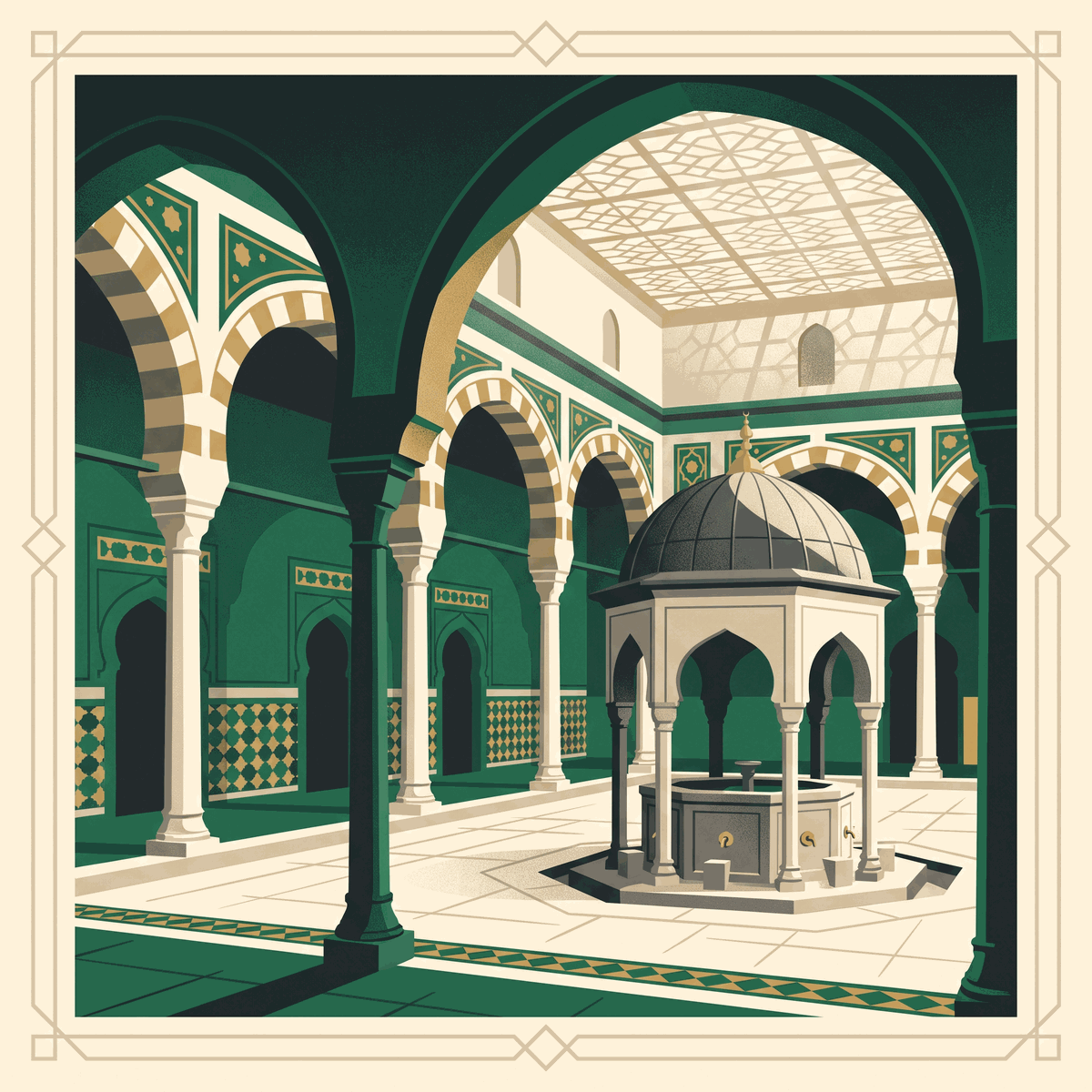
If you have ever wondered how Islam took root on the tropical island of Mauritius, the story is written in the stone, timber, and minarets of its oldest mosques. Walking through the vibrant streets of Port Louis or the serene towns of the central plateau, these sacred places reflect over two centuries of faith, devotion, and community endurance. This guide explores the historic mosques of Mauritius, highlighting their origins, unique architecture, and enduring spiritual significance for the local Muslim community.
The Dawn of Islamic Architecture in Mauritius: Al-Aqsa Mosque (1805)
The history of formal Islamic worship in Mauritius begins in the late 18th and early 19th centuries during the French colonial era. Free Muslim mariners, artisans, and tradesmen known as "Lascars" settled in the area of Port Louis that became known as Camp des Lascars (now part of Plaine Verte). In 1805, under French Governor Charles Decaen, the community officially secured a grant of land on Hassen Sakir Street to construct the island's first purpose-built place of worship.
Originally known as the Camp des Lascars Mosque and now officially named Al-Aqsa Mosque, this site marks the cradle of Mauritian Muslim heritage. Early community figures like Hajee Imam Bacosse Sobedar played a central role in establishing the sanctuary, setting a precedent of communal devotion that inspired future generations. The Qur'an emphasizes the high status of those who establish and care for places of worship: "The mosques of Allah are only to be maintained by those who believe in Allah and the Last Day and establish prayer and give zakah and do not fear except Allah" (Qur'an, At-Tawbah 9:18). Though rebuilt and expanded over time to accommodate growing generations, Al-Aqsa Mosque remains a cherished symbol of early Muslim resilience.
The Crown Jewel: Jummah Mosque in Port Louis
Located on Royal Street (Rue Royale) in the bustling heart of Port Louis, the Jummah Mosque (Jummah Masjid) is widely recognized as one of the most magnificent religious monuments in the Indian Ocean. Its history dates back to 1852, when prominent Indian Muslim merchants—primarily Kutchi Memon and Surti traders from Gujarat—purchased a property originally known as the "Mosquée des Arabes" (Mosque of the Arabs) built around 1853. As the Muslim population expanded rapidly with the arrival of merchant families and indentured workers from India, the community gradually acquired adjacent properties throughout the 1850s and 1860s.
Between 1853 and the 1870s, skilled craftsmen brought from India constructed the grand sanctuary seen today. Architecturally, the Jummah Mosque is a breathtaking fusion of Moorish, Indian Islamic, and Mughal styles. Its sparkling white exterior, intricate stucco arches, polished marble columns, and towering minarets offer a striking contrast to the lively commercial district outside. At the center of the mosque lies an open courtyard housing an ancient Badami (Indian almond) tree, which stood on the original plot before construction began and still offers cool shade to worshippers today.
Beyond its striking beauty, the Jummah Mosque serves as the central hub of spiritual life for the island's Sunni Muslim community. Every Friday, thousands gather beneath its arches to perform Jumu'ah prayer in accordance with Prophetic tradition: "O you who have believed, when the adhan is called for the prayer on the day of Jumu'ah, then proceed to the remembrance of Allah" (Qur'an, Al-Jumu'ah 62:9). The mosque also houses administration facilities, educational classrooms, and a peaceful sanctuary where believers retreat from the noise of capital city life.
Early Mosques in the Plaines Wilhems and Rural Districts
As the 19th century progressed into the 20th, the Muslim community expanded beyond the capital into the cooler central plateau of Plaines Wilhems and coastal agricultural districts. Muslim families who moved to towns such as Rose Hill, Quatre Bornes, Phoenix, Vacoas, and Curepipe established local masjids to preserve their daily congregational prayers and provide Islamic education for their children.
In towns like Rose Hill and Curepipe, early neighborhood mosques were constructed through collective donations from Gujarati traders and agricultural workers. Similarly, in rural areas like Souillac, Mahebourg, Terre Rouge, and Triolet, modest timber and stone mosques were built alongside sugar estates. These regional masjids were vital in maintaining spiritual unity, offering a place for daily Salah, Quranic classes for youth, and festive gatherings during Eid.
Building and maintaining these mosques across the island was viewed by early settlers as a lifelong charity and a means of securing divine blessing. The Prophet Muhammad (peace be upon him) said: "Whoever builds a mosque for Allah, Allah will build for him a house in Paradise" (Sahih al-Bukhari, Hadith 450). This deeply held belief motivated generations of Mauritian Muslims to dedicate their resources to preserving their religious heritage.
Architectural Heritage and Spiritual Significance for Mauritian Muslims
The oldest mosques in Mauritius are far more than historical monuments; they are living testaments to the unity and devotion of the island's Sunni Hanafi majority and the broader Ahlus Sunnah wal Jamaah community. From the early Lascar pioneers in Plaine Verte to the Kutchi Memon and Surti merchants of Port Louis, these masjids reflect a harmonious blend of cultural identity and timeless Islamic faith.
Inside these sacred halls, traditional Sunni Islamic scholarship and practice have flourished for over two centuries. The Hanafi school of jurisprudence, which guides the majority of Mauritian Muslims in matters of daily worship, emphasizes order, community cohesion, and reverence for established tradition, while remaining respectful of all authentic Sunni schools of thought. Today, these historic mosques continue to welcome worshippers from all walks of life, serving as beacons of light, peace, and spiritual brotherhood across Mauritius.
Preserving these historic sites ensures that future generations of Mauritian Muslims remain connected to their roots, honoring the sacrifices of those who laid the foundations of Islam on this island over two centuries ago.
Which is the oldest mosque in Mauritius?
The oldest purpose-built mosque in Mauritius is Al-Aqsa Mosque (originally known as the Camp des Lascars Mosque), located in Plaine Verte, Port Louis. Its land was officially granted by French Governor Charles Decaen in 1805 to the local Muslim sailor and worker community.
Can non-Muslim visitors tour the historic Jummah Mosque in Port Louis?
Yes, non-Muslim visitors are generally welcome to view the courtyard and architecture of the Jummah Mosque outside of congregational prayer times. Visitors are asked to dress modestly, remove their shoes before entering prayer spaces, and respect worshippers during prayer hours.
What spiritual etiquette should be observed when visiting historic mosques?
When visiting any historic mosque in Mauritius, one should enter with decorum, dress modestly covering shoulders and knees, maintain quiet respect for those praying, and perform two rak'ahs of Tahiyyat al-Masjid (greeting the mosque) upon entry if Muslim.
Sources
- Qur'an, At-Tawbah 9:18
- Qur'an, Al-Jumu'ah 62:9
- Sahih al-Bukhari, Hadith 450
- https://www.aa.com.tr/en/africa/mauritian-historian-evaluates-role-of-muslims-ottoman-ties-in-mauritius-history/3236417
- https://sacredfootsteps.com/2019/05/13/the-sufi-saints-of-mauritius/