
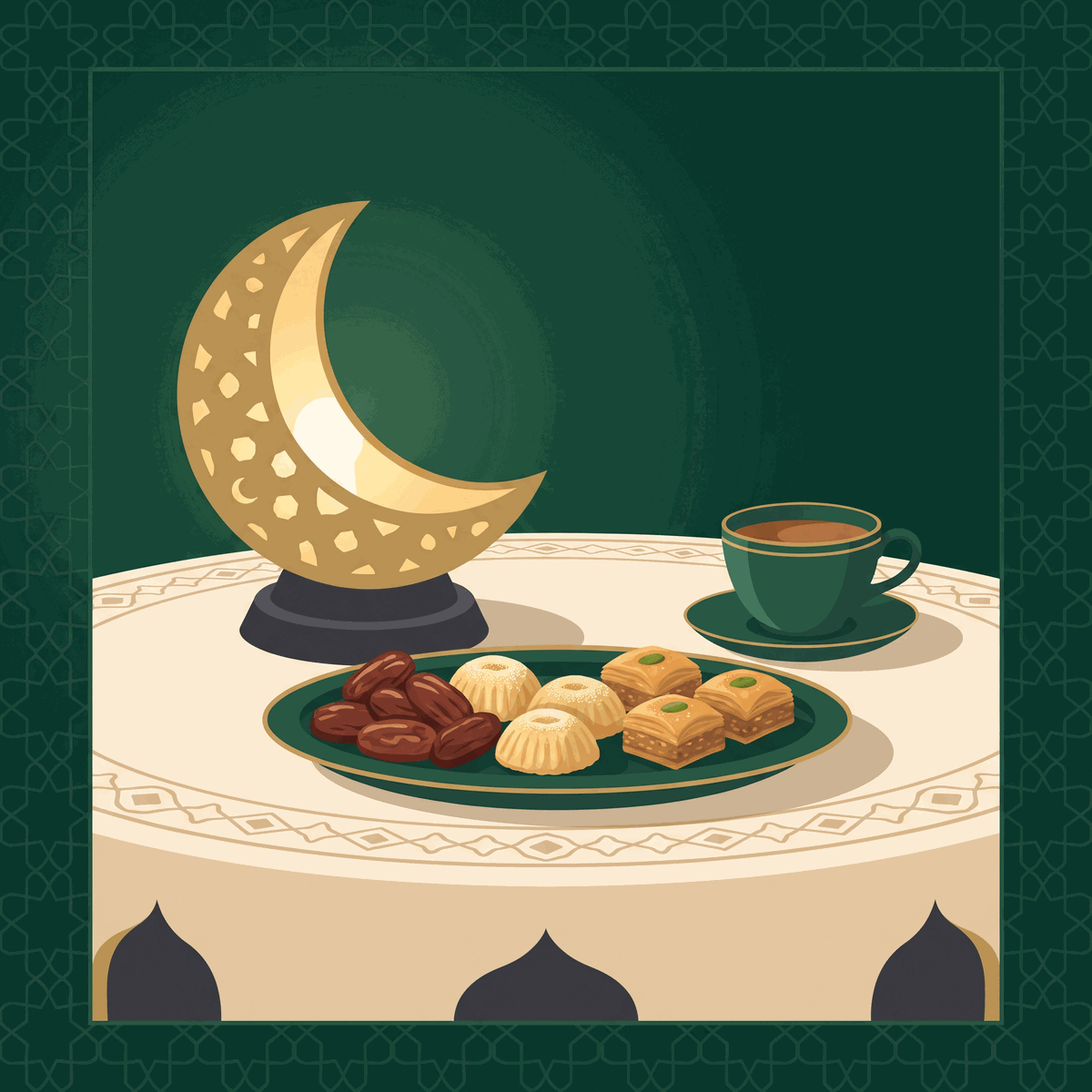
As the sacred month of Ramadan comes to an end, Muslims across Mauritius eagerly prepare for the blessed festival of Eid-ul-Fitr. If you are curious about how this joyous day is celebrated on our island—from the excitement of moon-sighting to sacred morning prayers and rich family feasts—you will find a unique blend of authentic Islamic traditions and vibrant Mauritian culture. Here is a complete guide to how Eid-ul-Fitr is celebrated throughout Mauritius.
The Anticipation of Chaand Raat in Mauritian Towns
The celebration of Eid-ul-Fitr begins with the sighting of the new crescent moon (hilal), marking the first day of the Islamic month of Shawwal (Qur'an, Al-Baqarah 2:185). On the 29th or 30th night of Ramadan, families across the island tune in to local moon-sighting announcements coordinated by community scholars and historic institutions like the Jummah Mosque in Port Louis. Once the moon is confirmed, the joyous declaration of Eid echoes across the island, officially kicking off Chaand Raat ("Night of the Moon").
Chaand Raat is filled with vibrant energy as town centers and commercial hubs come alive into the late hours of the night. Areas like Plaine Verte in Port Louis, along with busy streets in Rose Hill, Quatre Bornes, Phoenix, Vacoas, Curepipe, and Triolet, are bustling with families completing their holiday preparations. Bazaars and shops remain open late, decorated with festive lights and playing soft nasheeds.
For women and young girls, Chaand Raat is synonymous with applying intricate henna (mehendi) designs on their hands. Friends and female relatives gather in homes or local henna parlours, filling the air with laughter and sweet scents. Meanwhile, parents make last-minute purchases for traditional attire—such as tailored kurtas, thobes, shalwar kameez, and elegant abayas—ensuring everyone is prepared for Eid morning.
Morning Sunnah Practices and Congregational Eid Prayers
The morning of Eid-ul-Fitr is dedicated to spiritual gratitude and communal unity, following the sunnah practices of the Prophet Muhammad (peace be upon him). Muslims rise before dawn for Fajr prayer, take a ceremonial bath (ghusl), apply fragrance (attar), and dress in their finest clothes. Before leaving the house for the special Eid prayer, it is a sunnah to eat something sweet, such as dates or a small bowl of sweet vermicelli (Sahih al-Bukhari, Hadith 953).
Before the congregational prayer begins, heads of households ensure that Sadaqat al-Fitr (Zakat al-Fitr) is paid for every member of the family (Qur'an, Al-A'la 87:14-15). In the predominant Sunni Hanafi school of jurisprudence followed in Mauritius, paying Sadaqat al-Fitr is wajib (obligatory) upon every Muslim who possesses wealth beyond their basic needs. Paying this charity before the Eid prayer ensures that less fortunate families can buy food and clothes to participate fully in the festive day.
Men and boys walk to their local masjids and open-air prayer grounds (musallas), reciting the Takbir al-Eid along the way: "Allahu Akbar, Allahu Akbar, La ilaha illallah, Wallahu Akbar, Allahu Akbar, wa lillahil hamd" (Allah is the Greatest, Allah is the Greatest, there is no god but Allah, Allah is the Greatest, Allah is the Greatest, and to Allah belongs all praise).
In iconic places of worship like the historic Jummah Mosque in Port Louis—established in the 1850s—as well as masjids in Rose Hill, Curepipe, and Goodlands, prayer halls overflow into courtyards and surrounding streets. In Hanafi fiqh, the Eid prayer consists of two rak'ahs with six additional takbirs (three in the first rak'ah after the opening takbir, and three in the second rak'ah before ruku'), followed by an inspiring khutbah (sermon). After the sermon, worshippers turn to one another with warm hugs, exchanging the greeting of "Eid Mubarak."
Mauritian Eid Culinary Traditions: Sawine and Festive Briani
Food is a central highlight of Eid-ul-Fitr in Mauritius, reflecting a rich culinary heritage rooted in 19th-century Indian migration, including Gujarati, Surti, Kutchi Memon merchants, and indentured labourers. The hallmark sweet dish served on Eid morning is sawine (also known as sweet vermicelle). Sawine is made by gently roasting fine vermicelli in ghee, then simmering it in sweetened milk infused with crushed cardamom pods, cinnamon sticks, sultanas, toasted almonds, and pistachios. Every guest who visits a Mauritian Muslim home on Eid is immediately served a warm or chilled bowl of sawine.
By mid-day, the aroma of spices fills the air as families prepare the main holiday meal: authentic Mauritian briani. Typically cooked in large copper cauldrons called degues, Mauritian briani features tender beef, mutton, or chicken layered with fragrant basmati rice, marinated potatoes, fried onions, mint, and saffron. It is traditionally served alongside fresh tomato chutney (satini cotomili), cucumber salad, and mixed pickles.
Hospitality is an essential value during Eid, and trays of sweetmeats (mithai) such as barfi, gulab jamun, laddu, and jalebi are laid out for visitors. Furthermore, in keeping with the inclusive culture of Mauritius, Muslim families routinely share plates of hot briani and boxes of sweets with non-Muslim neighbours, colleagues, and friends, reinforcing bonds of goodwill and mutual respect across the island's diverse communities.
Family Visits, Eidi, and Strengthening Kinship
Eid-ul-Fitr is an official national public holiday in Mauritius, providing everyone with a wonderful opportunity to reconnect with loved ones. According to Islamic teachings, maintaining ties of kinship (silat al-rahim) is a sacred duty, as Allah promises great blessings to those who maintain family ties (Sahih al-Bukhari, Hadith 5987).
During the afternoon and evening, families dress in their holiday attire and travel across the island—from Port Louis to Curepipe, Vacoas to Flacq—to visit parents, grandparents, aunts, and uncles. Elders open their doors to receive children and grandchildren, creating warm memories filled with joyful conversation.
For children, one of the most exciting aspects of the day is receiving Eidi (or Eidiya), gift money handed out by parents, grandparents, and elder relatives. Children proudly collect their colorful envelopes or crisp banknotes, bringing an atmosphere of pure delight to every home. As night falls, families gather around living rooms to relax, reflect on the spiritual achievements of Ramadan, and express gratitude for Allah's blessings.
Conclusion
Eid-ul-Fitr in Mauritius is a beautiful celebration that merges deep devotion, generous charity, and rich cultural traditions. By honoring the Sunnah through early morning prayers, fulfilling Sadaqat al-Fitr, sharing delicious sawine and briani, and cherishing time with family, Mauritian Muslims embody the true spirit of Islam. May Allah accept our fasting and good deeds, bring peace to our homes, and bless our island with continued unity and prosperity.
Frequently Asked Questions
Is Eid-ul-Fitr an official public holiday in Mauritius?
Yes, Eid-ul-Fitr is an official national public holiday in Mauritius. Because the Islamic calendar relies on lunar sightings, the exact date of the holiday is declared upon the official sighting of the new moon (hilal) at the end of Ramadan.
What traditional sweet dish is served on Eid morning in Mauritius?
The most famous traditional dessert served on Eid morning in Mauritius is sawine (sweet toasted vermicelli). It is prepared with fine vermicelli cooked in sweetened milk and flavored with cardamom, cinnamon, sultanas, and crushed nuts like almonds and pistachios.
What is the Hanafi ruling on paying Sadaqat al-Fitr before Eid prayer?
In the Hanafi school of Islamic jurisprudence, Sadaqat al-Fitr is wajib (obligatory) upon every financially capable Muslim on behalf of themselves and their dependents. It must be distributed before attending the Eid prayer so that poor and needy families can also enjoy the festivities of Eid.
Sources
- Qur'an, Al-Baqarah 2:185
- Qur'an, Al-A'la 87:14-15
- Sahih al-Bukhari, Hadith 953
- https://www.jummahmasjid.org
- https://en.wikipedia.org/wiki/Islam_in_Mauritius