
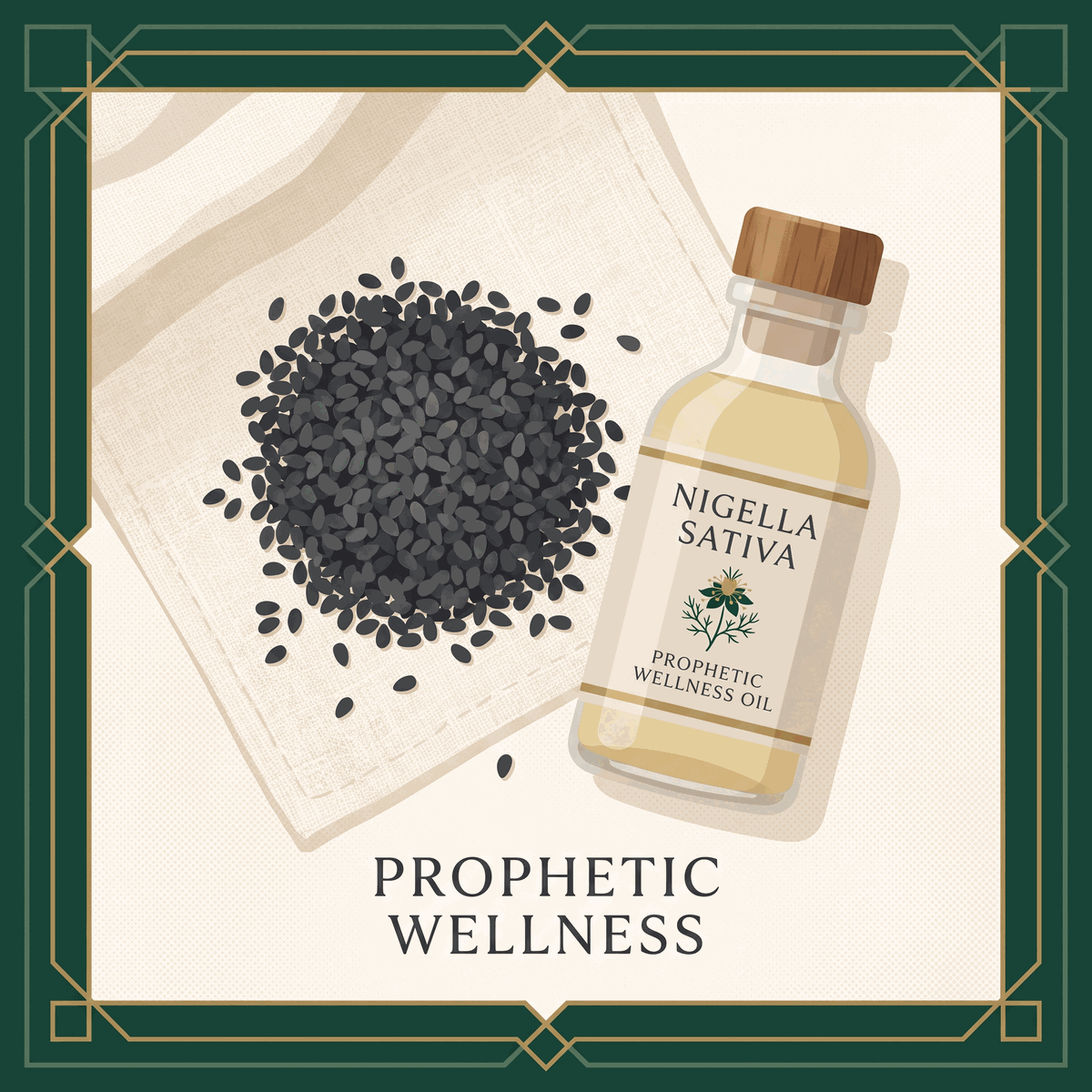
Many Muslims today look for natural ways to support their physical health while remaining deeply connected to Islamic tradition. Black seed, known in Arabic as Habbatus Sawda (Nigella sativa), holds a special place in Prophetic medicine and Islamic wellness heritage. If you are wondering what Islamic scripture teaches about this black cumin seed and how modern scientific research explains its benefits, this guide provides a clear and balanced overview.
Habbatus Sawda in the Prophetic Sunnah
The black seed has been cherished across the Muslim world for over fourteen centuries. In traditional Hadith literature, Prophet Muhammad ﷺ drew attention to the remarkable restorative qualities of this modest seed. Narrated Abu Hurairah, the Messenger of Allah ﷺ said: "Use this black seed regularly, because it is a cure for every disease except death" (Sahih al-Bukhari, Hadith 5688; Sahih Muslim, Hadith 2215).
Classical Sunni scholars, including Imam Ibn al-Qayyim in his masterpiece Zad al-Ma'ad (Provisions for the Hereafter), explained that the phrase "a cure for every disease" reflects broad preventive vitality and broad health benefits, rather than a literal replacement for medical diagnosis and professional care. In ancient Arabic linguistics, general terms were frequently used to express widespread utility. Mainstream Islamic scholarship has always taught that using Prophetic foods should complement, rather than substitute for, established medical treatments. Seeking professional medical care when unwell is fully encouraged in the Sunnah.
What Modern Research Says About Nigella Sativa
In recent decades, international biochemical research has examined Nigella sativa to understand its physical properties. Hundreds of peer-reviewed scientific studies published in medical journals have analyzed the seed's chemical makeup, uncovering a rich variety of active compounds.
The primary bioactive constituent in black seed is thymoquinone (TQ), a natural compound recognized for its antioxidant and anti-inflammatory properties. Scientific reviews indicate that thymoquinone helps protect cells against oxidative stress. Key areas where modern studies explore black seed include:
- Immune System Support: Research suggests that black seed extracts help balance immune cell activity, aiding the body's natural defenses.
- Metabolic Health: Clinical trials show that regular, moderate intake of Nigella sativa can help maintain healthy blood glucose levels and balanced cholesterol profiles.
- Respiratory Comfort: Studies support traditional uses for lung and throat comfort, showing that black seed compounds help relax airway smooth muscle tissue.
- Digestive Wellness: Black seed oil contains beneficial fatty acids (such as linoleic and oleic acids) that support gut lining integrity and ease digestive discomfort.
While these scientific findings are encouraging, health researchers emphasize that black seed serves as a natural dietary supplement rather than a pharmaceutical cure.
How to Incorporate Black Seed Into Daily Life
Adding Habbatus Sawda to your daily routine is easy and adaptable. In Mauritius and across the wider Muslim ummah, believers follow several traditional methods to enjoy black seed:
- Whole or Ground Seeds: You can crush a small pinch of black seeds (about half a teaspoon) and mix them with raw honey. Honey itself is highlighted in scripture as a source of healing (Qur'an, An-Nahl 16:69).
- Cold-Pressed Black Seed Oil: Pure, cold-pressed black seed oil can be taken by the spoon—typically 1/2 to 1 teaspoon daily—or stirred into warm water, herbal tea, or yogurt.
- Culinary Sprinkles: Lightly toasted seeds can be sprinkled on homemade naan, flatbreads, salads, or oatmeal for a pleasant, slightly spicy flavor.
Islamic ethics emphasize moderation (itisad) in all habits. Consuming excessive amounts does not yield better results; steady, small habits align best with the Sunnah.
Important Guidelines and Health Disclaimers
When introducing natural wellness remedies into your routine, personal safety and medical prudence must come first.
Please note that while black seed is a revered Prophetic remedy and traditional practice, this information is provided for educational purposes and is not medical advice; readers should always consult a qualified healthcare professional or doctor before using black seed oil or starting any new dietary supplement, especially if managing a health condition or taking medication.
Specific precautions to keep in mind include:
- Pregnancy and Breastfeeding: Concentrated black seed oil may stimulate uterine contractions, so pregnant women should avoid medicinal doses unless guided by an obstetrician.
- Medication Interactions: Black seed may interact with blood thinners, blood pressure drugs, or diabetes medications.
- Surgical Procedures: Because black seed oil can influence blood clotting and blood sugar levels, discontinue its use at least two weeks before scheduled surgery.
Integrating Prophetic Wellness Into a Sunnah Lifestyle
In Islamic theology, the human body is an amanah (a sacred trust) from Allah Almighty. Taking care of physical health through wholesome nutrition, bodily hygiene, and restful sleep is a form of worship (ibadah).
Consuming Habbatus Sawda with the conscious intention (niyyah) of following Prophet Muhammad ﷺ transforms a dietary habit into a spiritual blessing. Combining black seed with balanced nutrition (Qur'an, Al-A'raf 7:31), miswak oral hygiene, physical movement, and complete trust in Allah (tawakkul) provides a comprehensive framework for lifelong vitality.
Summary and Takeaway
Black seed (Habbatus Sawda) represents a harmonious union of Prophetic wisdom and modern health awareness. By taking black seed in moderation, observing sound medical precautions, and consulting healthcare professionals for illness, Muslims can honor the Sunnah while caring for their physical health.
Frequently Asked Questions
How much black seed oil should I take daily?
For healthy adults, a typical safe daily dose is between 1/2 teaspoon to 1 teaspoon of pure cold-pressed oil, or 1 to 2 grams of whole crushed seeds. Start with a smaller amount to evaluate how your body digests it.
Can black seed oil cure major medical conditions?
No single natural seed replaces medical care. While Hadith literature praises black seed's general health benefits, Islamic scholars and medical doctors agree that it functions as a healthy dietary addition, not a pharmaceutical treatment for chronic illnesses.
Should I take black seed oil on an empty stomach or with food?
Many people consume black seed oil in the morning with a spoonful of honey or mixed in warm water. If you experience any stomach sensitivity, taking it alongside a meal is equally beneficial and easier on digestion.
Sources
- Sahih al-Bukhari, Hadith 5688
- Sahih Muslim, Hadith 2215
- Ibn al-Qayyim, Zad al-Ma'ad
- National Center for Biotechnology Information (NCBI) - Nigella sativa Review (https://pubmed.ncbi.nlm.nih.gov/34073784/)