
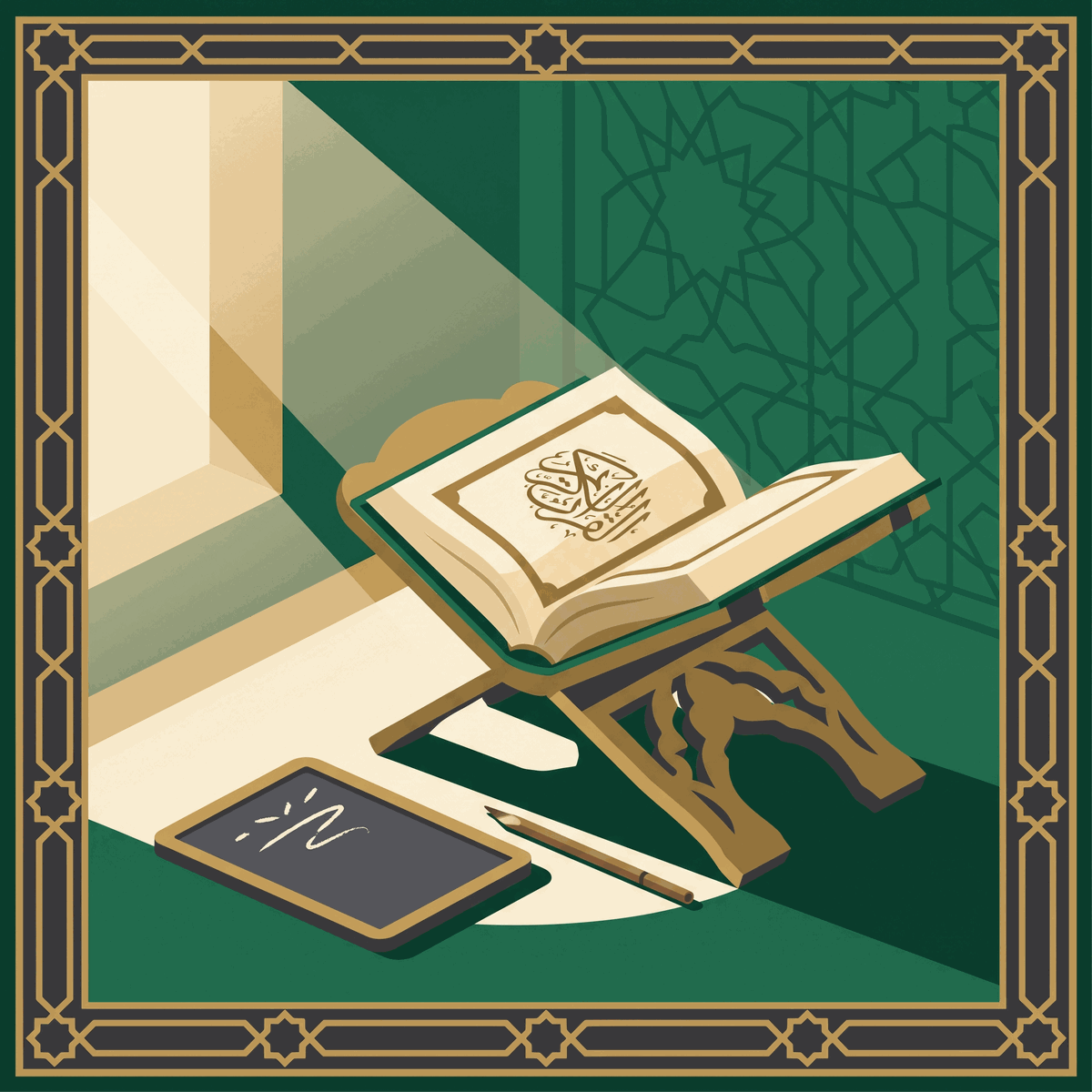
As Muslim parents in Mauritius, ensuring our children receive a solid Islamic foundation alongside their secular education is one of our most sacred duties. With neighbourhood masajid and community madaris operating across Port Louis, Plaine Verte, Rose Hill, Quatre Bornes, Phoenix, Curepipe, and northern regions like Triolet, choosing the right learning environment can feel like a major decision. Rather than searching for a single named institution, parents are best served by understanding what makes a local madrassa effective, nurturing, and aligned with traditional Sunni Islamic values.
The Landscape of Islamic Education in Mauritius
The tradition of elementary Islamic schooling—commonly known as the maktab or madrassa system—has deep roots in Mauritius. Introduced and maintained by generations of Muslim ancestors, including 19th-century Indian immigrants, merchants, and labourers who established historic landmarks like the Jummah Mosque in Port Louis, these local institutions continue to serve as the spiritual heartbeat of our youth.
In most Mauritian towns and villages, madrassas operate as after-school programs attached to local masajid or managed by regional Islamic trusts. The primary goal of these institutions is to teach children how to read the Holy Qur'an with proper pronunciation (Tajweed), memorize essential surahs, learn daily supplications (du'as), and understand the fundamentals of Islamic belief ('Aqeedah) and practice (Fiqh). Because the vast majority of Muslims in Mauritius historically follow the Hanafi school of jurisprudence, most local madaris structure their introductory fiqh curriculum around Hanafi rulings regarding purification (Taharah), ritual prayer (Salah), and fasting (Sawm). At the same time, traditional Mauritian scholars maintain deep respect for the Shafi'i, Maliki, and Hanbali schools, ensuring children grow up with a spirit of unity and mutual respect within Ahlus Sunnah wal Jama'ah.
Key Criteria for Evaluating a Madrassa
When selecting a madrassa or maktab for your son or daughter, look beyond proximity and facility size. Consider these fundamental qualities to ensure your child receives a holistic and positive Islamic education:
Qualified and Compassionate Teachers (Asatizah)
The quality of a madrassa rests entirely on its teachers. Look for educators who possess recognized qualifications in Quranic recitation (preferably with an Ijazah) and sound Islamic knowledge. Equally important is the teacher's character (akhlaq) and teaching methodology. Young children thrive under teachers who demonstrate patience, warmth, and gentle encouragement, in accordance with the Prophetic model of education.
Structured and Age-Appropriate Curriculum
A good madrassa uses a clear, step-by-step syllabus. For beginners, this usually begins with a foundational phonics primer (such as Ahsanul Qawa'id or Qaida Nooraniyya), progressing systematically to short surahs, and eventually to full Quranic recitation (Nazira) or memorization (Hifz). Alongside Quranic reading, the curriculum should incorporate basic Islamic studies covering the life of Prophet Muhammad (peace and blessings be upon him), moral conduct, and essential daily practices.
Safe, Clean, and Welcoming Learning Environment
Child safety and physical comfort are essential for effective learning. Inspect the classroom environment: Is it clean, well-lit, and adequately ventilated? Are class sizes managed so that teachers can give individual attention to each child? A positive, respectful environment helps children develop a lifelong love for the mosque and Islamic learning.
Balanced Scheduling and Proximity
Mauritian children face rigorous academic schedules, particularly during primary school examinations (PSAC) and secondary school years (SC/HSC). Select a madrassa that offers convenient class times—typically 60 to 90 minutes after school—without causing physical exhaustion or academic burnout.
Fostering Tarbiyah and Akhlaq Alongside Sacred Knowledge
In Islamic tradition, gaining knowledge ('Ilm) is inseparable from character development (Tarbiyah). The Prophet Muhammad (peace and blessings be upon him) said: "The best among you are those who learn the Qur'an and teach it" (Sahih al-Bukhari, Hadith 5027). However, knowledge without practical application and polite manners remains incomplete.
A quality madrassa places strong emphasis on practical Akhlaq (Islamic manners). Children should be taught how to speak politely, show kindness to elders, honour their parents, maintain cleanliness, and live harmoniously with neighbours of all backgrounds—a value deeply cherished in multicultural Mauritius. Allah Almighty commands believers in the Qur'an: "O you who have believed, protect yourselves and your families from a Fire whose fuel is people and stones" (Qur'an, At-Tahrim 66:6). Providing a righteous education is the primary means by which parents fulfill this divine command.
How Parents Can Support Madrassa Learning at Home
A madrassa cannot replace the educational role of the home; rather, it complements it. Parents and teachers must act as partners in a child's spiritual development. Here are practical ways to reinforce your child's madrassa studies:
- Establish a Daily Revision Routine: Spend 15 to 20 minutes each evening listening to your child recite their daily lesson (Sabaq) and review previous memorization (Sabqi).
- Lead by Example: Children imitate what they see. Perform daily prayers on time, recite Qur'an regularly at home, and practice polite speech.
- Praise Effort over Perfection: Encourage your child when they struggle with difficult Arabic letters or rules of Tajweed. Celebrate small milestones to build their confidence.
- Maintain Open Communication with Teachers: Periodically check in with your child's instructor to monitor progress, attendance, and conduct.
By pairing a supportive home environment with a dedicated local madrassa, Muslim parents in Mauritius can ensure their children grow into confident, knowledgeable, and morally upright believers.
Frequently Asked Questions
At what age should a child start attending a local madrassa in Mauritius?
Most local maktabs accept children around the age of five or six, once they can sit comfortably in a classroom setting and recognize basic letters. Starting early helps children build a gentle habit of daily Quranic recitation and basic Islamic manners.
How can parents manage madrassa attendance during school exam periods?
During heavy school assessment periods, such as national exams, communicate with your child's madrassa teacher in advance. Many local madaris accommodate reduced homework or temporary schedule adjustments so children do not feel overwhelmed while maintaining their connection to the Qur'an.
What should parents do if a child struggles with Quranic reading or Tajweed?
Patience and positive encouragement are key. Avoid comparing your child to peers. Speak kindly with the teacher to identify specific phonetic challenges, and practice short 10-minute sessions at home using audio recordings of qualified reciters to help train their ear.
Sources
- Qur'an, At-Tahrim 66:6
- Sahih al-Bukhari, Hadith 5027
- https://en.wikipedia.org/wiki/Madrasa
- https://ilmify.app/explore/islamic-education-system-in-mauritius/