
The Battle of Yarmouk: A Turning Point in Near Eastern History
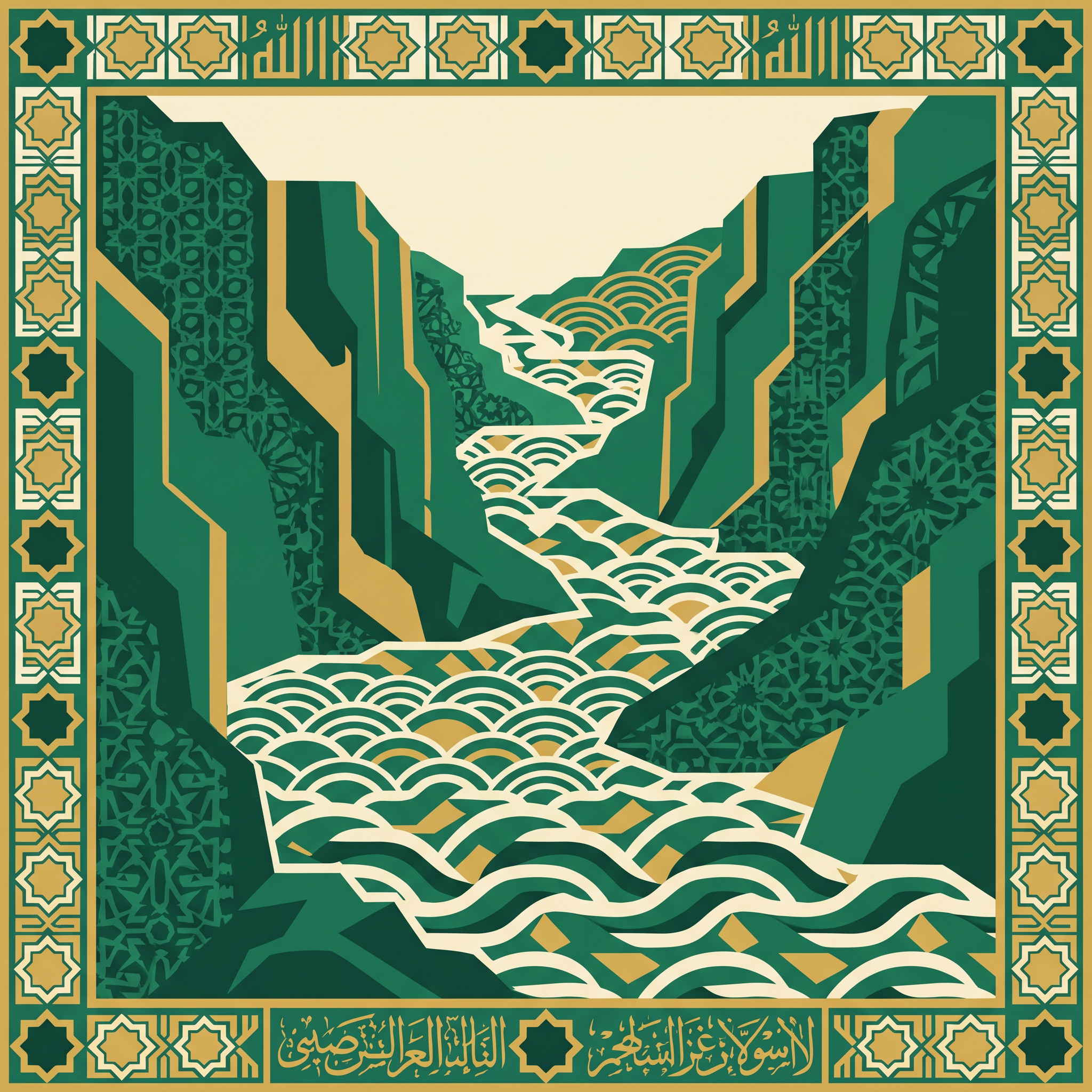
In August 636 CE (15 AH), near the dramatic gorges of the Yarmouk River along the present-day border of Syria and Jordan, one of the most decisive battles in world history took place. Just four years after the passing of Prophet Muhammad ﷺ, the young Islamic state based in Medina faced its formidable neighbor: the Eastern Roman, or Byzantine, Empire. Over six grueling days, Muslim forces under the tactical genius of Khalid ibn al-Walid met a massive imperial army dispatched by Emperor Heraclius. The victory of the Muslim army at Yarmouk transformed the geopolitical landscape of the Middle East, ending centuries of Byzantine rule in Syria and opening the Levant to Islamic civilization.
Strategic Context and the Gathering Armies
By the 630s CE, both the Byzantine and Sasanian Persian empires were deeply exhausted from decades of destructive conflict between themselves. When the early Muslim community expanded beyond the Arabian Peninsula, they encountered a Levant weakened by fiscal strain and religious schisms among Christian factions. Between 634 and 635 CE, early Muslim commanders captured several southern Syrian towns, including Damascus.
Recognizing the existential threat to his southern frontier, Emperor Heraclius organized a grand counter-offensive. As detailed by early historians such as Al-Tabari in his History of the Prophets and Kings, Heraclius assembled a formidable multi-ethnic army comprising Byzantine regulars, Armenian troops, and local Christian Arab allies under the Ghassanid leader Jabalah ibn al-Ayham. Overall command was entrusted to the Armenian general Vahan.
Faced with this massive force, the overall Muslim commander, Abu Ubaidah ibn al-Jarrah, made a bold strategic decision. On the advice of his brilliant cavalry commander, Khalid ibn al-Walid, Abu Ubaidah ordered Muslim garrisons across Syria to evacuate northern positions and consolidate near the Yarmouk River. In a celebrated gesture recorded by the early historian Al-Baladhuri in Futuh al-Buldan, Muslim authorities even returned the tax (jizya) collected from local residents in Damascus, stating that because they could no longer guarantee their protection, they could not rightfully retain the funds. The open plains near the Yarmouk gorge provided the perfect terrain for the swift Muslim light cavalry to maneuver.
Six Days on the Plain of Yarmouk
The battle commenced in mid-August 636 CE and unfolded over six intense days. The Byzantine forces outnumbered the Muslim army, which numbered around 25,000 to 40,000 soldiers. To counter the numerical disadvantage, Khalid reorganized the Muslim troops into disciplined units (kawa'ib) and held back an elite mobile guard cavalry as a central reserve—a tactical innovation that proved vital.
During the first three days, Byzantine heavy infantry launched powerful, repeated assaults on the Muslim flanks, attempting to drive them back toward the steep ravines. On multiple occasions, Muslim lines broke under pressure, but were rallied by camp followers and courageous women—including figures like Hind bint Utbah and Asma bint Abi Bakr—who confronted retreating soldiers and urged them back to the battle line.
The fourth day saw some of the fiercest fighting, remembered in classical Arabic chronicles as the "Day of Lost Eyes" due to the intense barrage of arrows launched by imperial archers. Despite heavy casualties, the Muslim line held firm. Khalid repeatedly deployed his swift mobile cavalry to plug breaches, flanking enemy advances whenever they overextended.
By the sixth day, fatigue and internal tensions had eroded Byzantine cohesion. Spotting an opportunity, Khalid launched a sweeping counter-attack that cut off the Byzantine cavalry from their infantry. The Muslim cavalry secured the vital bridge over the deep ravine of Wadi al-Raqqad, trapping the retreating imperial soldiers along the edge of the steep cliffs. Overwhelmed by dust, heat, and relentless pressure, the Byzantine army collapsed.
Long-Term Significance and Aftermath
The victory at Yarmouk was absolute. Upon hearing of the disaster, Emperor Heraclius famously bade farewell to the region from Antioch, lamenting: "Peace be with you, O Syria... what a fine land this is for the enemy." Within months, major Levant cities surrendered peacefully. Most notably, Jerusalem opened its gates in 637 CE directly to Caliph Umar ibn al-Khattab, who granted its inhabitants an enduring treaty guaranteeing religious freedom and protection of holy sites, known as the Assurance of Umar.
Modern academic historians, such as Fred Donner in The Early Islamic Conquests and Hugh Kennedy in The Great Arab Conquests, emphasize that the Battle of Yarmouk was not merely a military victory, but a threshold event in global history. By removing Byzantine military dominance, Yarmouk enabled the rapid integration of Syria, Palestine, and subsequently Egypt into the expanding Caliphate.
For generations of Muslims across all traditions, Yarmouk stands as a monument to faith, tactical genius, and collective resolve. It marked the transition of the early Muslim community from an Arabian movement into a global civilization that fostered cultural synthesis, scholarly flourish, and enduring peaceful governance across the Near East.
Sources
- Al-Tabari, Tarikh al-Rusul wa al-Muluk (History of the Prophets and Kings): Classical primary narrative detailing the early Islamic conquests and campaign leadership.
- Al-Baladhuri, Futuh al-Buldan (Conquest of the Lands): Foundational 9th-century history recording administrative, military, and social treaties of early Islamic expansion.
- Fred M. Donner, The Early Islamic Conquests: Authoritative modern academic study analyzing the social and military dynamics of early Arab expansion.
- Hugh Kennedy, The Great Arab Conquests: Comprehensive modern account exploring the strategic context, battle developments, and regional impact of the early Muslim conquests.
- Encyclopædia Britannica ("Battle of Yarmouk"): Reliable historical summary detailing the key commanders, timeline, and geographic context of the battle.
Sources
- Al-Tabari — Classical historical chronicle Tarikh al-Rusul wa al-Muluk
- Al-Baladhuri — Early historical work Futuh al-Buldan
- Fred M. Donner — Academic study The Early Islamic Conquests
- Hugh Kennedy — Historical work The Great Arab Conquests
- Encyclopædia Britannica — Reference entry on the Battle of Yarmouk